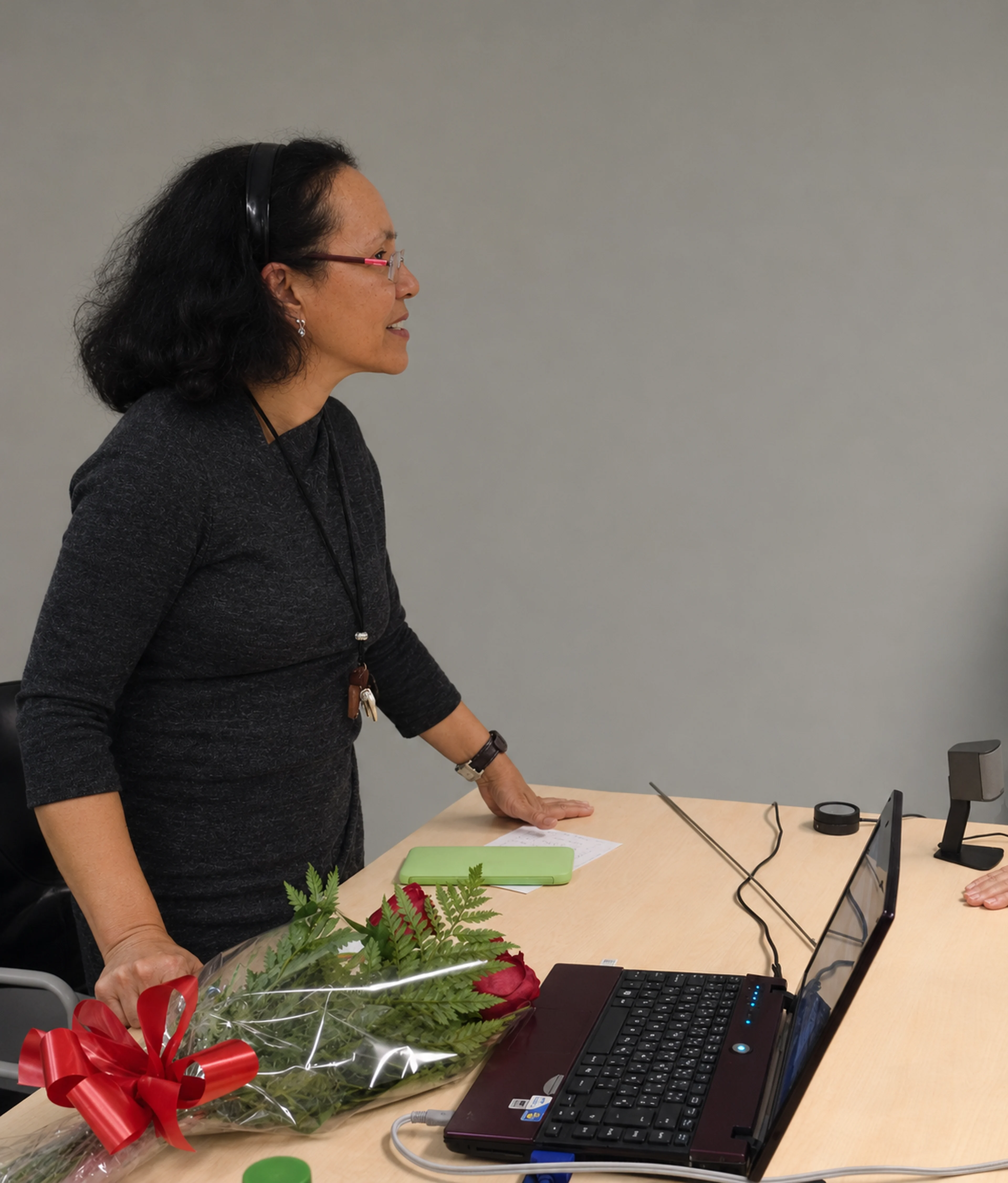
Abdominal breathing
The rib and abdominal muscles create the support pressure that sustains long phrases, held notes and high notes.
Carmen Moreno
Soprano · Vocal technique teacher · Choral conductor
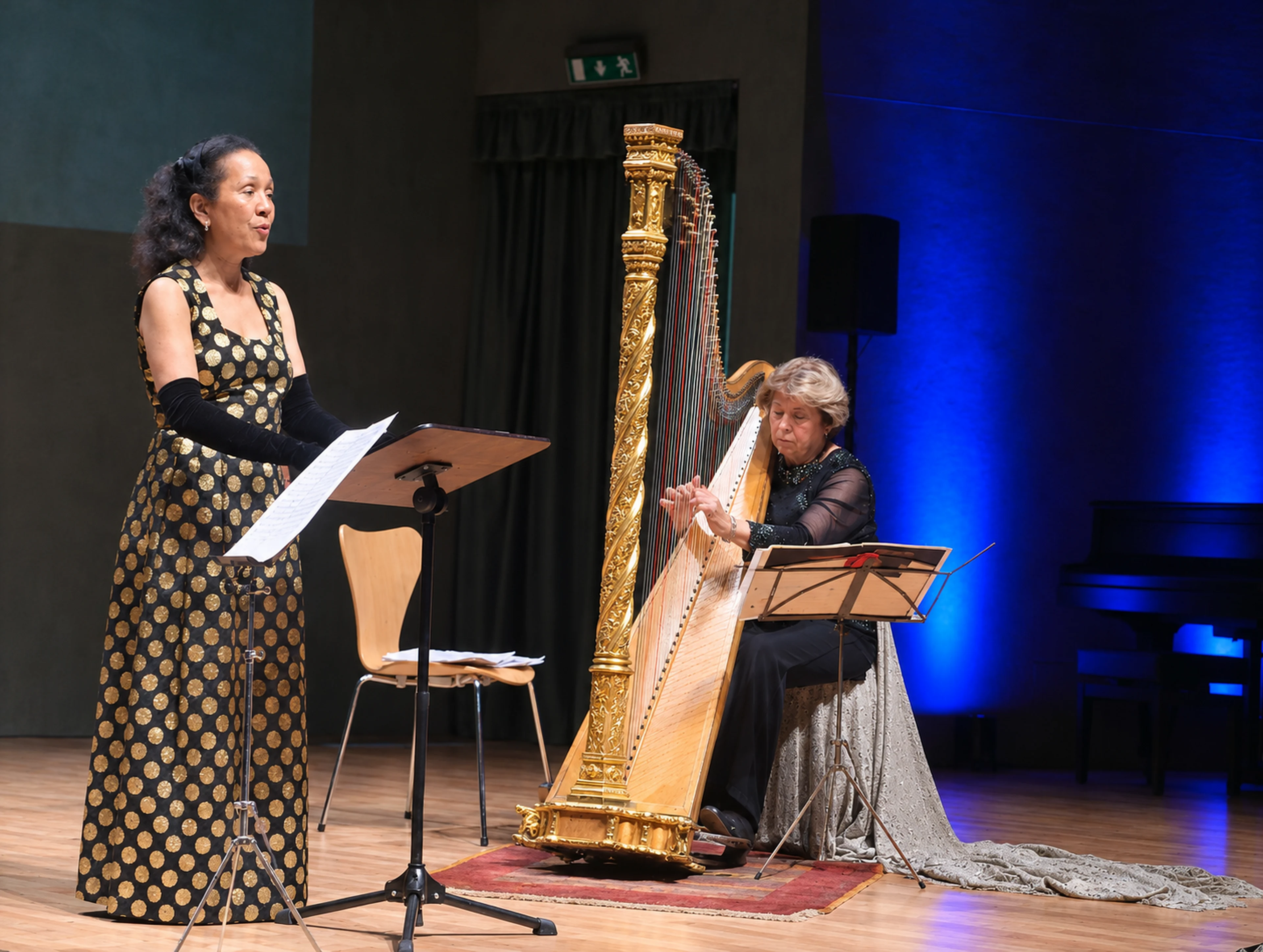
Auditori AXA · Gaudilart Festival 2015
Carmen Moreno is a light lyric soprano, choral conductor and biomedical scientist. Since 1995 she has taught a vocal technique that explains what breathing, the jaw and the lips do so that the voice sounds free, resonant and effortless.
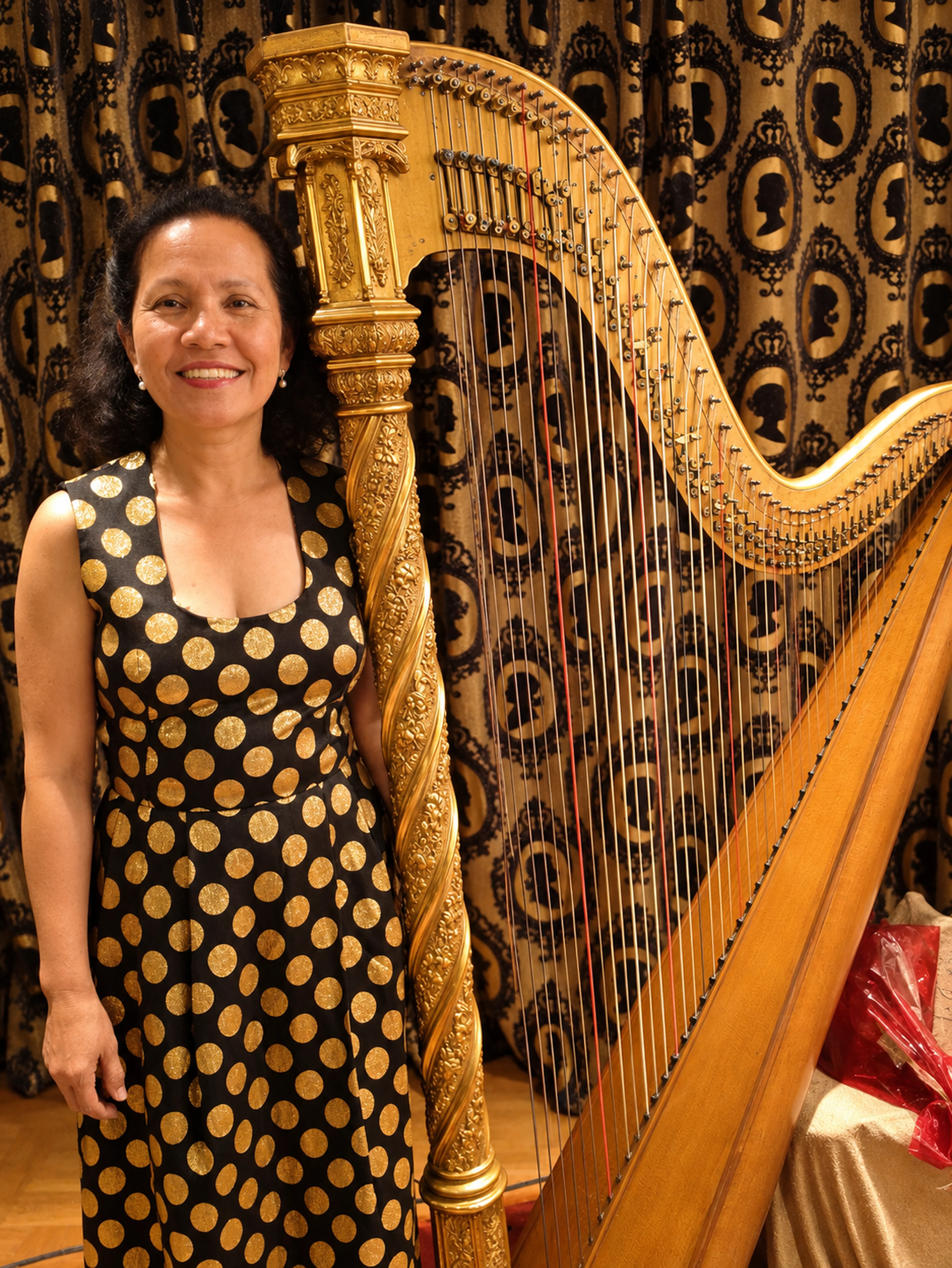

A soprano with a scientist’s eye
Carmen was born in Cumaná (Venezuela) and holds degrees in Education and Biomedical Science. That scientific training gave her a question that has guided her whole career: what exactly happens in the body when a note sounds free, and when it sounds tight?
Her answer is a concrete method. It means understanding abdominal breathing, jaw protrusion and the work of the lips until the sound is placed on the vomer. Then each interval in the vocalise is applied to those same intervals in the pieces. The student gains independence and stops relying on imitation.
Time invested in learning vocal technique is time gained in studying the repertoire.Carmen MorenoHer full story
The method
Carmen’s method is not about imagining colours or reaching “up” for high notes. It is based on anatomical movements that can be learned, observed and corrected.
The rib and abdominal muscles create the support pressure that sustains long phrases, held notes and high notes.
The jaw moves forward diagonally, without shifting to one side, to free the high note before it arrives.
Corners close together, lower lip dropping and upper lip rising to bring the harmonics closer and give the sound its ring.
The final goal of the vocalise: a resonant, free and bright sound, in the same place in the face for low and high notes.
A four-question test
Answer honestly and we’ll tell you which programme suits you. Then you can request your lesson with the message already written.
Programmes
The technical foundation is the same for everyone. What changes is the starting point, the repertoire and the demands of each style.
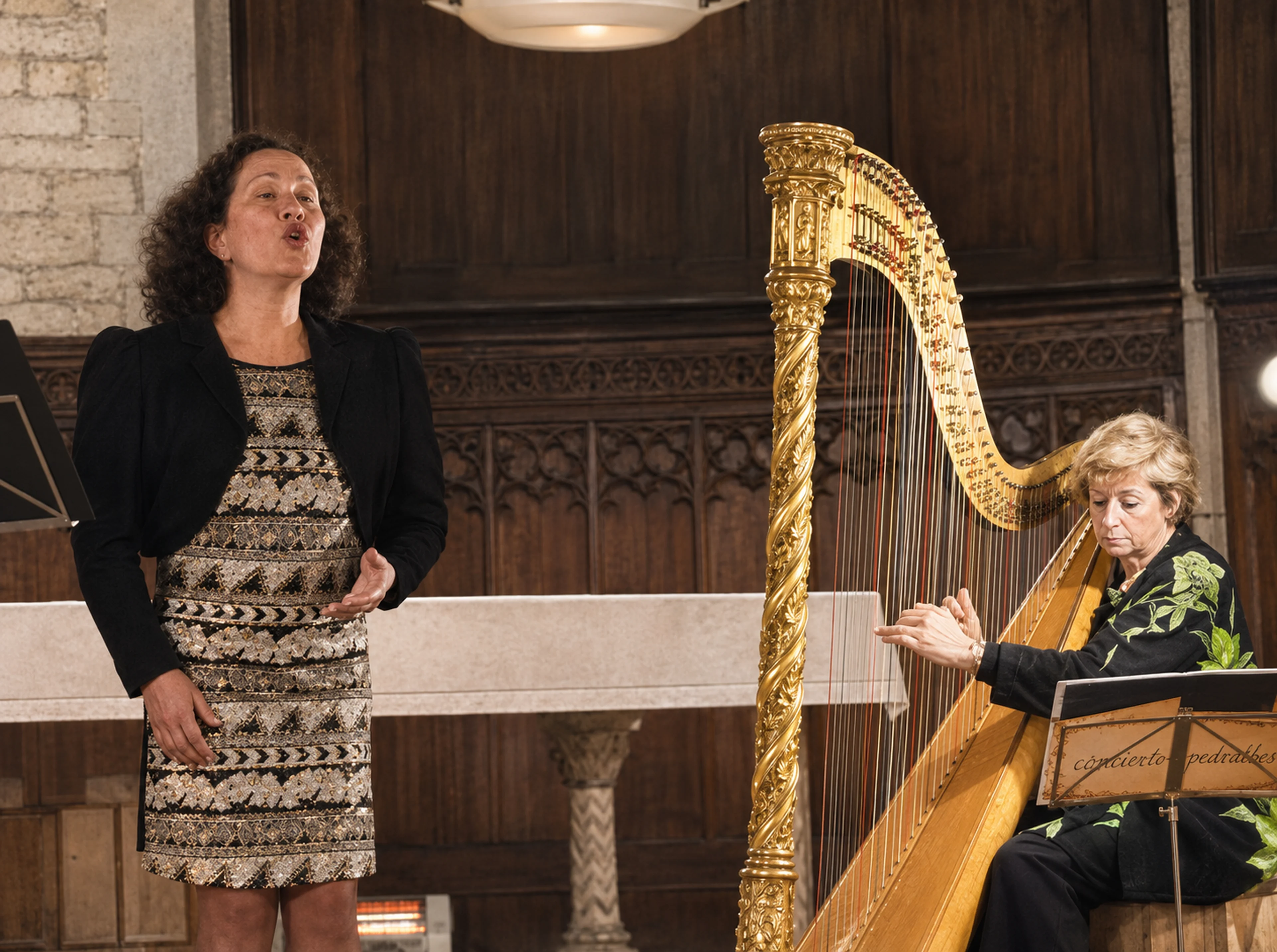
The basics of singing: breathing, jaw, lips and placement, applied to a piece from day one.
See programme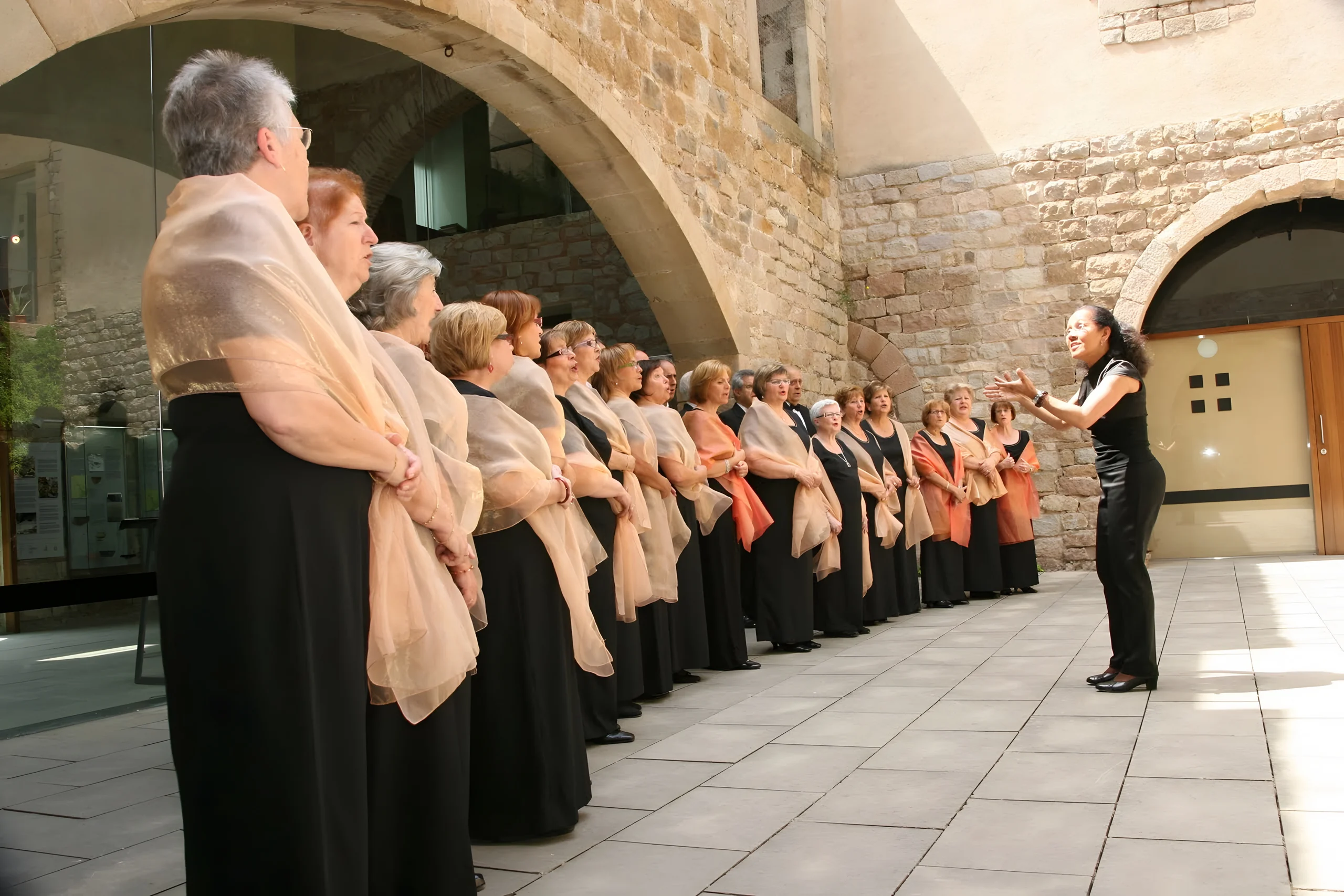
A soloist’s technique at the service of the pieces your choir rehearses.
See programme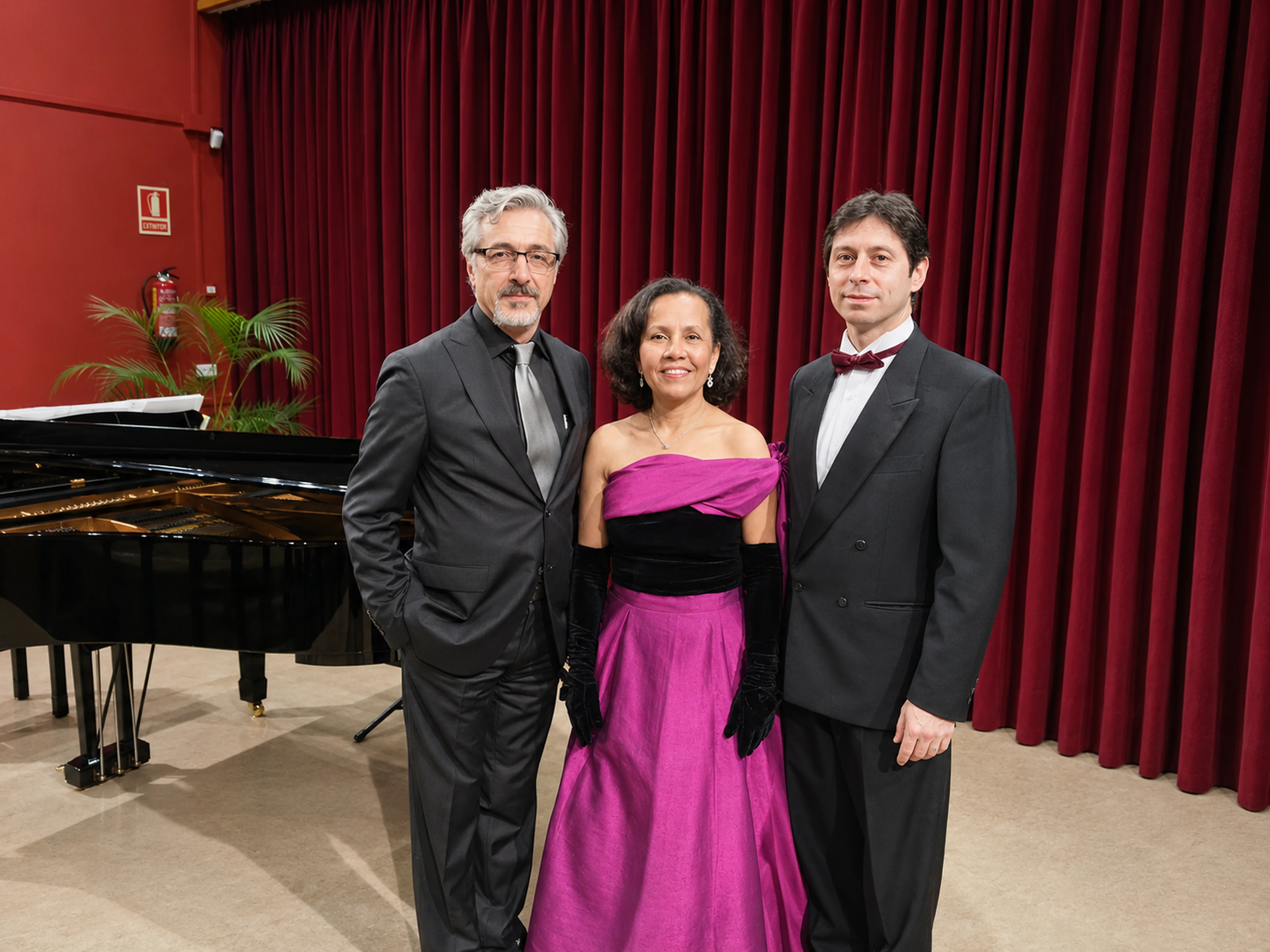
A diagnosis of what goes wrong in a passage, and exercises with those very intervals.
See programme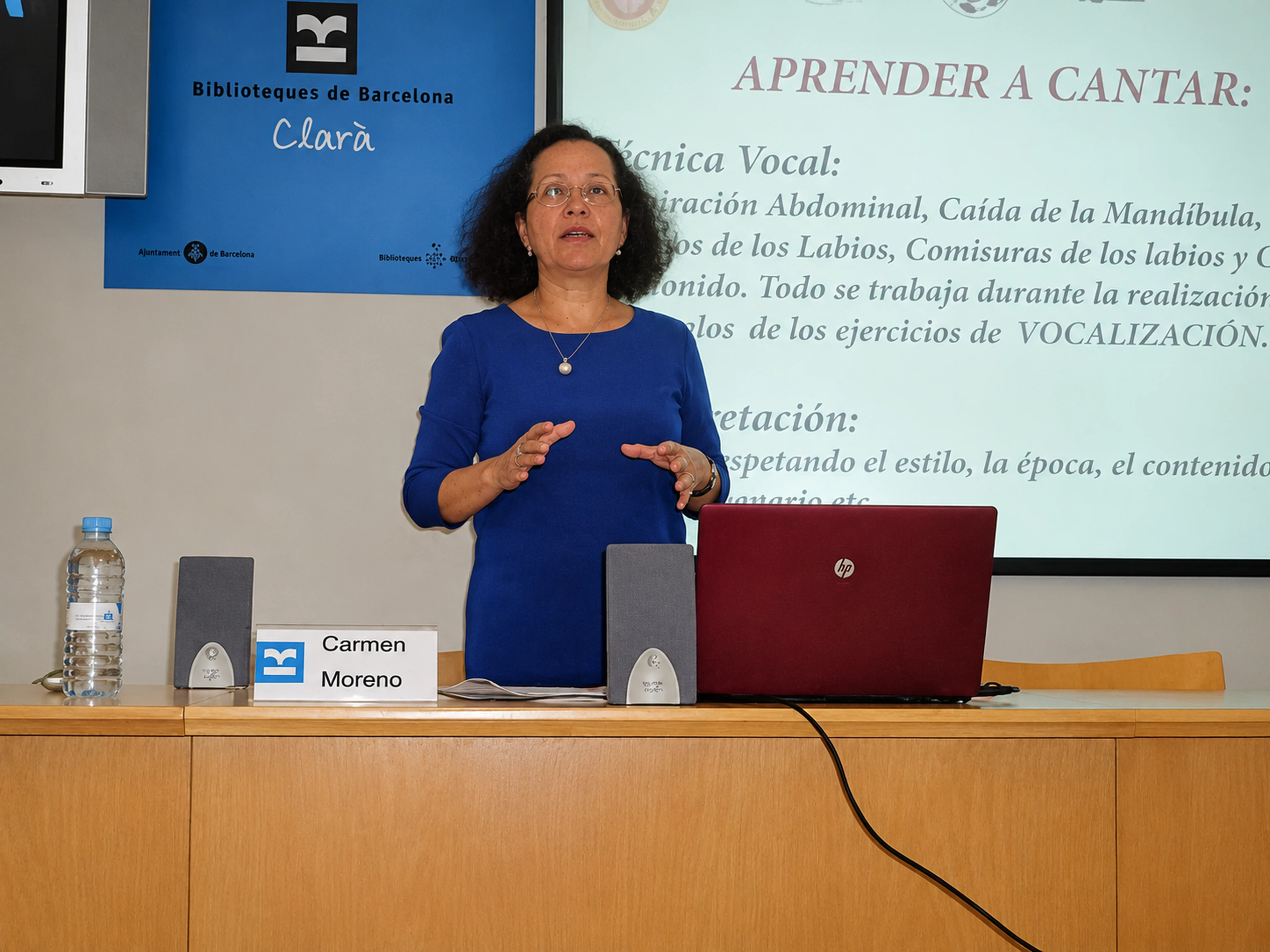
For teachers, broadcasters and anyone who talks all day: caring for the voice without straining the vocal folds.
See programmeIn her own words
In her new video, coming very soon (in Spanish), Carmen will introduce her work, how she understands vocal technique and what anyone starting to study with her can expect.
Testimonials
Video messages from people who have taken her lessons. Hover to watch them silently or click to see them in full.
Online school
Carmen sees and hears you, and shares the score on screen to point out each interval while you sing. All you need is a quiet space, a connection and the wish to sing better.
Tell her what you want to work on and which times suit you.
She suggests a day, time and format, and tells you how to pay.
You receive a private video call link for that day.
Carmen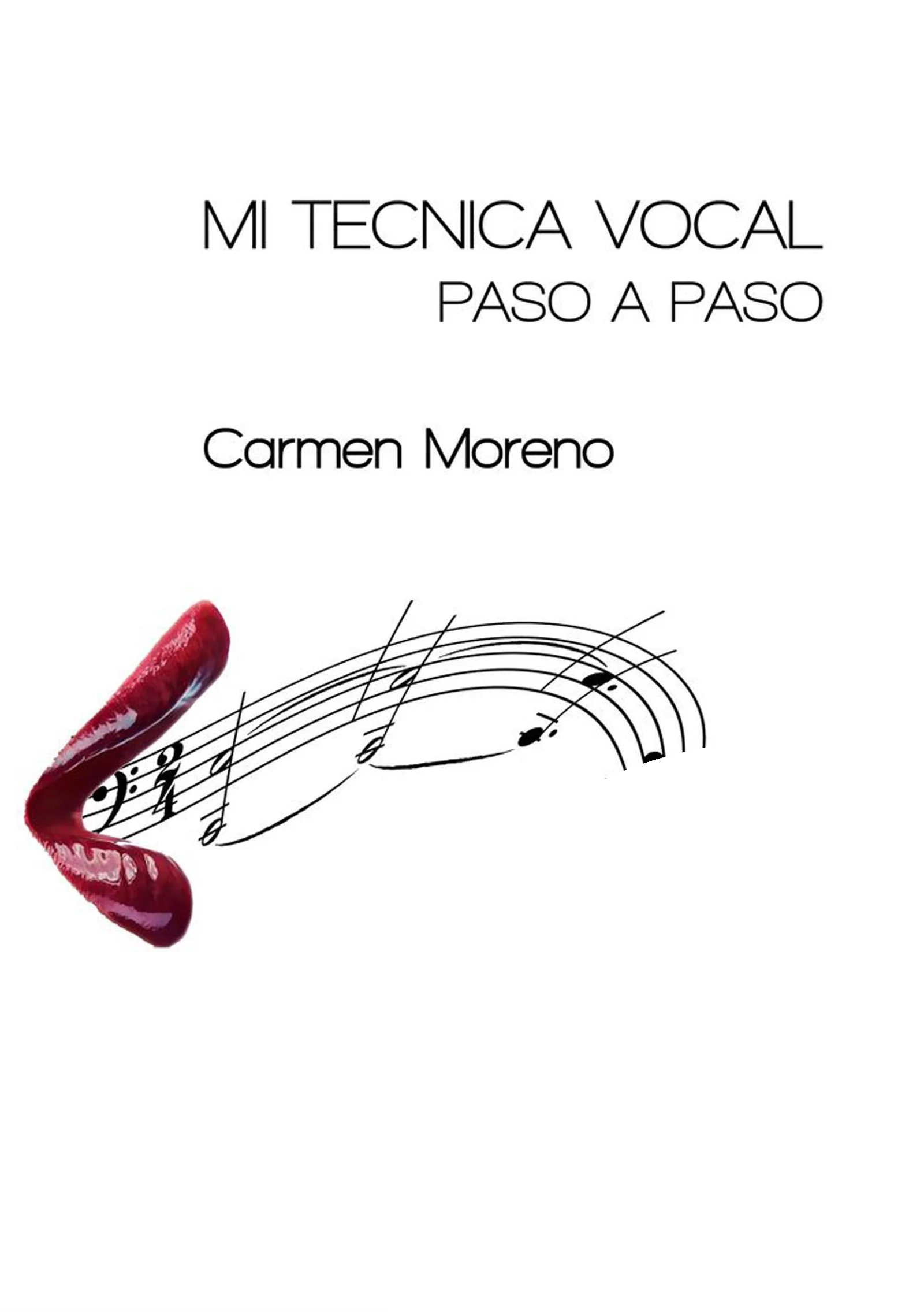
The book
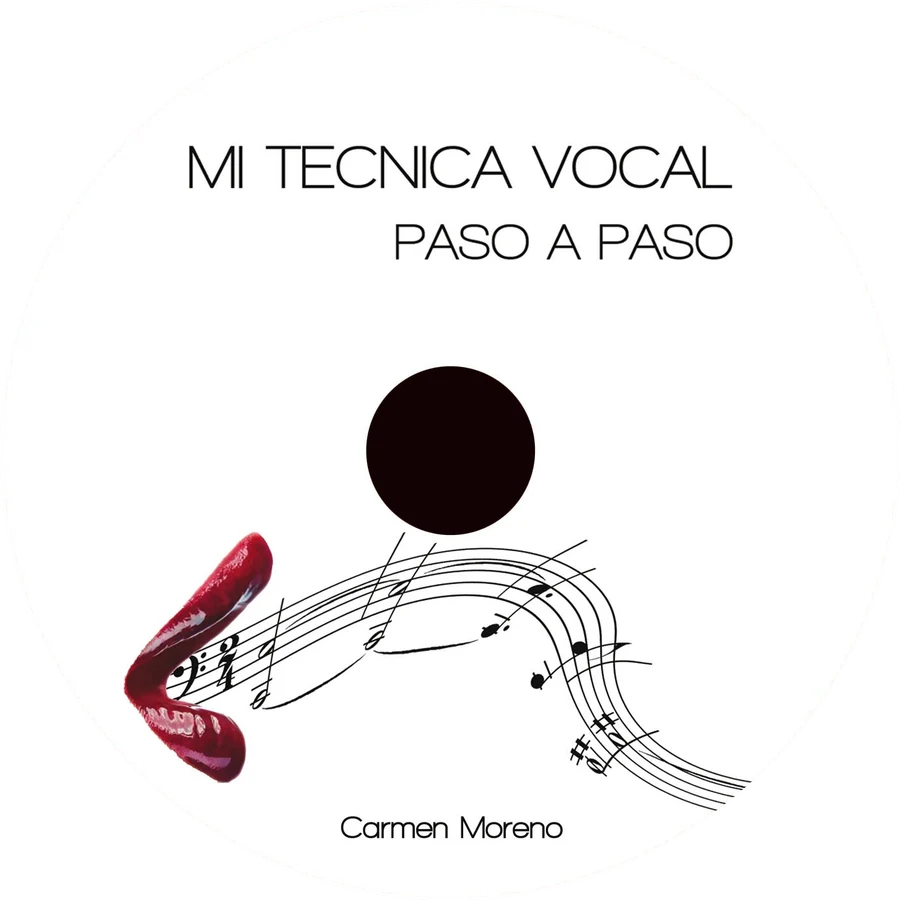
Everything a singer wants to know (in Spanish): how to breathe, how to let the jaw drop, where to place the sound and what role the lips and their corners play.
It was launched on Sant Jordi’s Day 2012 in Barcelona. It includes a 3D DVD showing what happens inside the abdominal cavity and the face while you sing.
Beyond the classroom
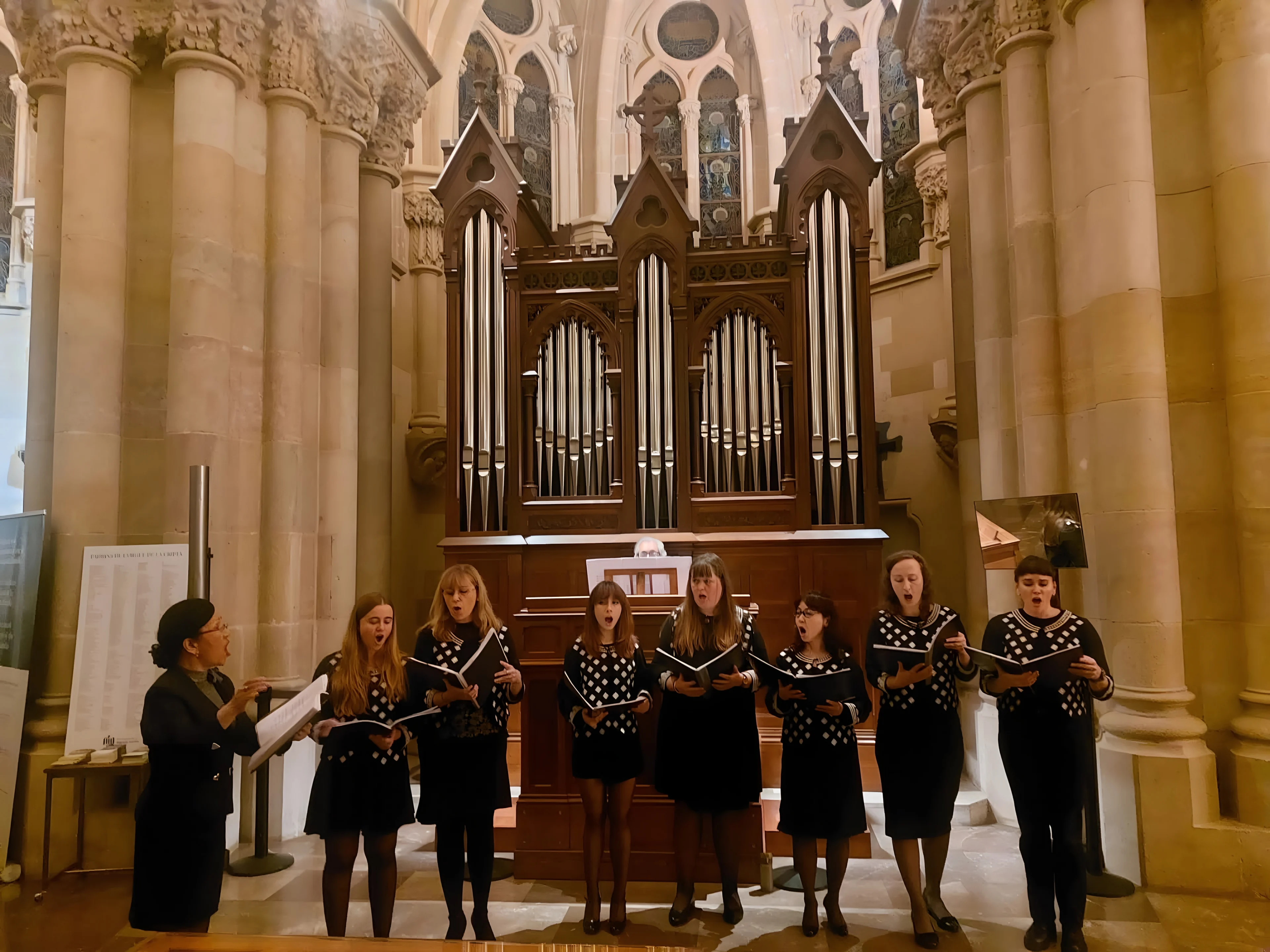
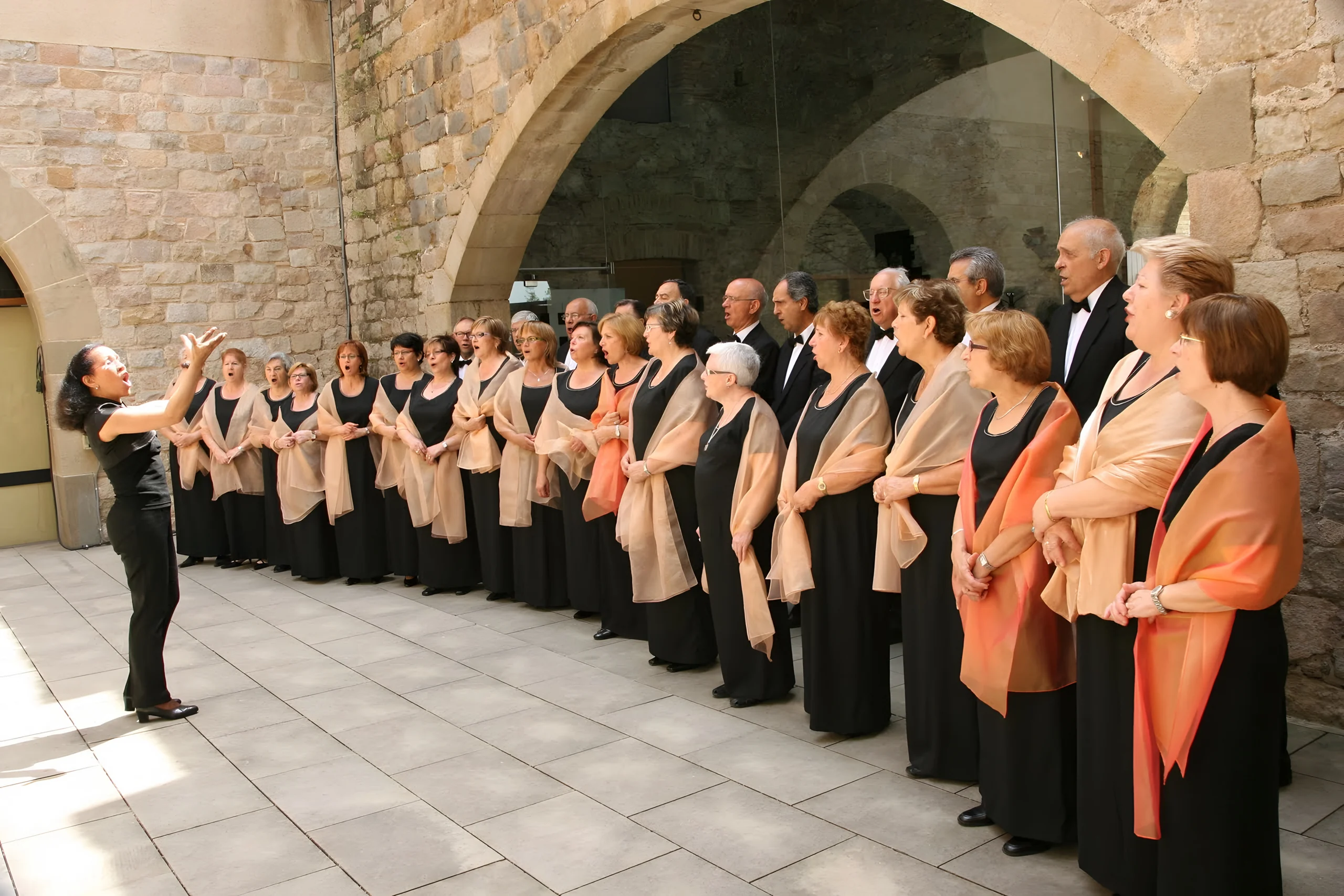
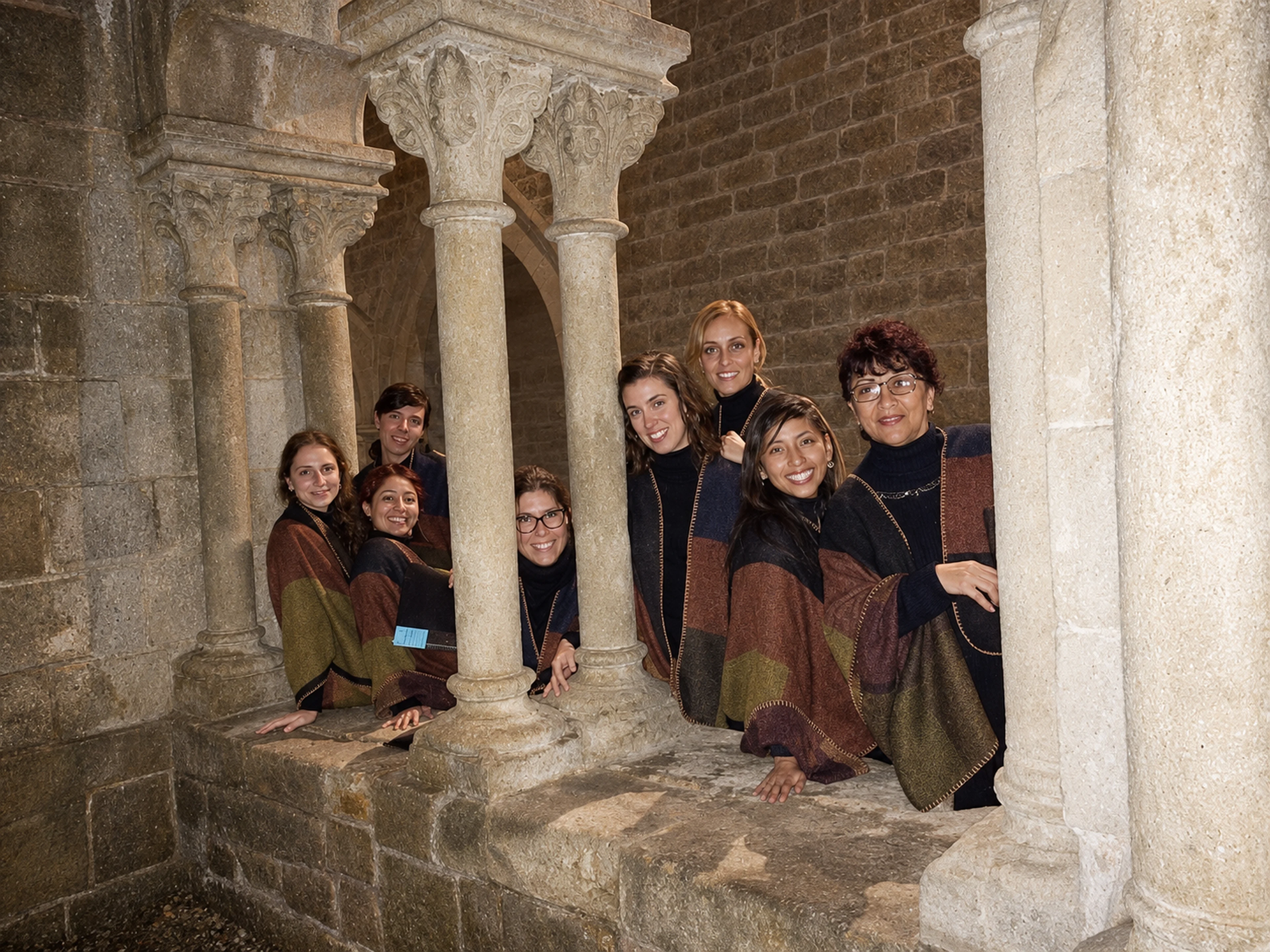
Carmen has conducted choirs since 1999, has sung in some of Barcelona’s most beautiful venues and has sat on the jury of choral festivals in Wales, Poland, Slovakia and Catalonia.
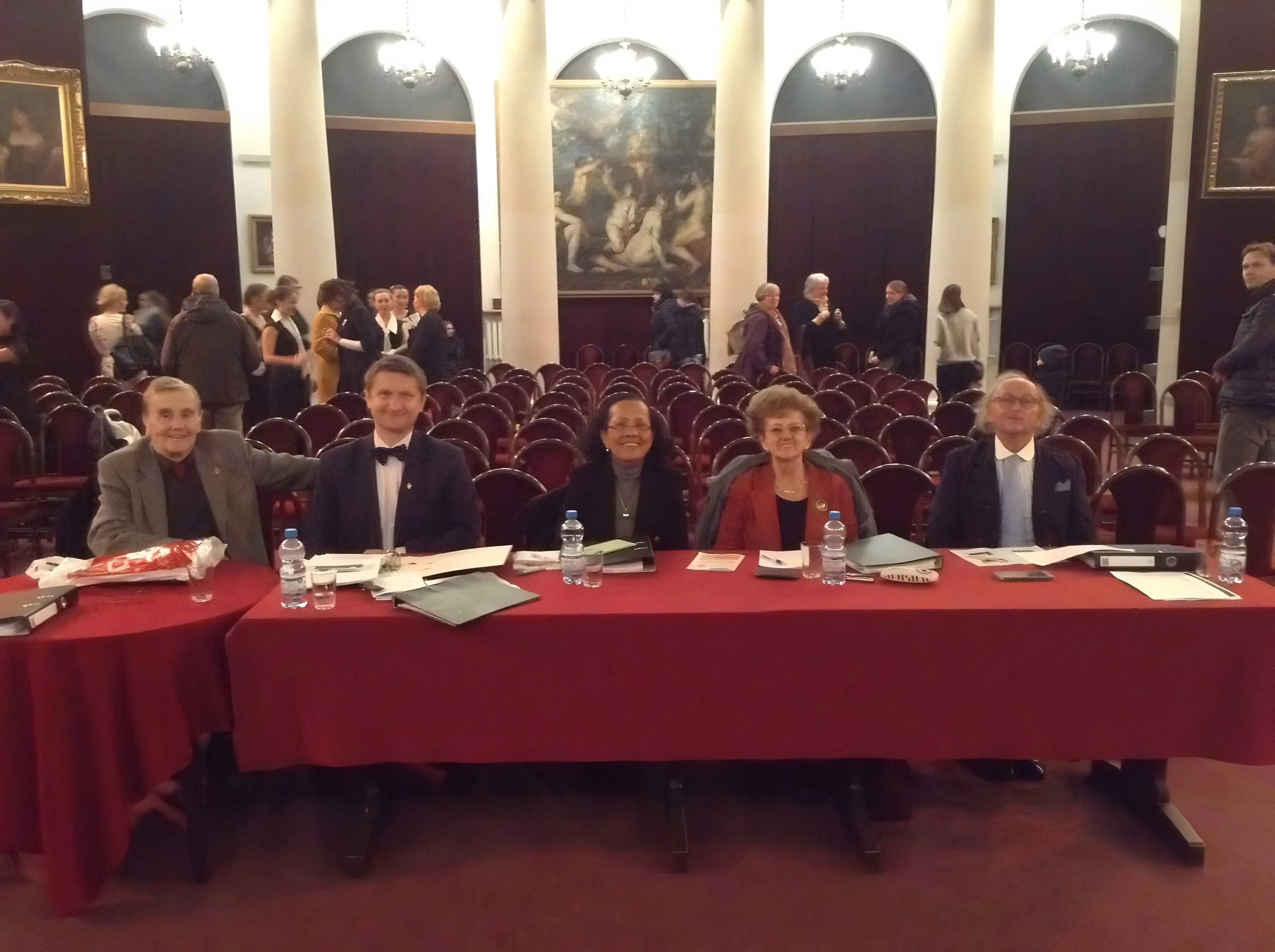
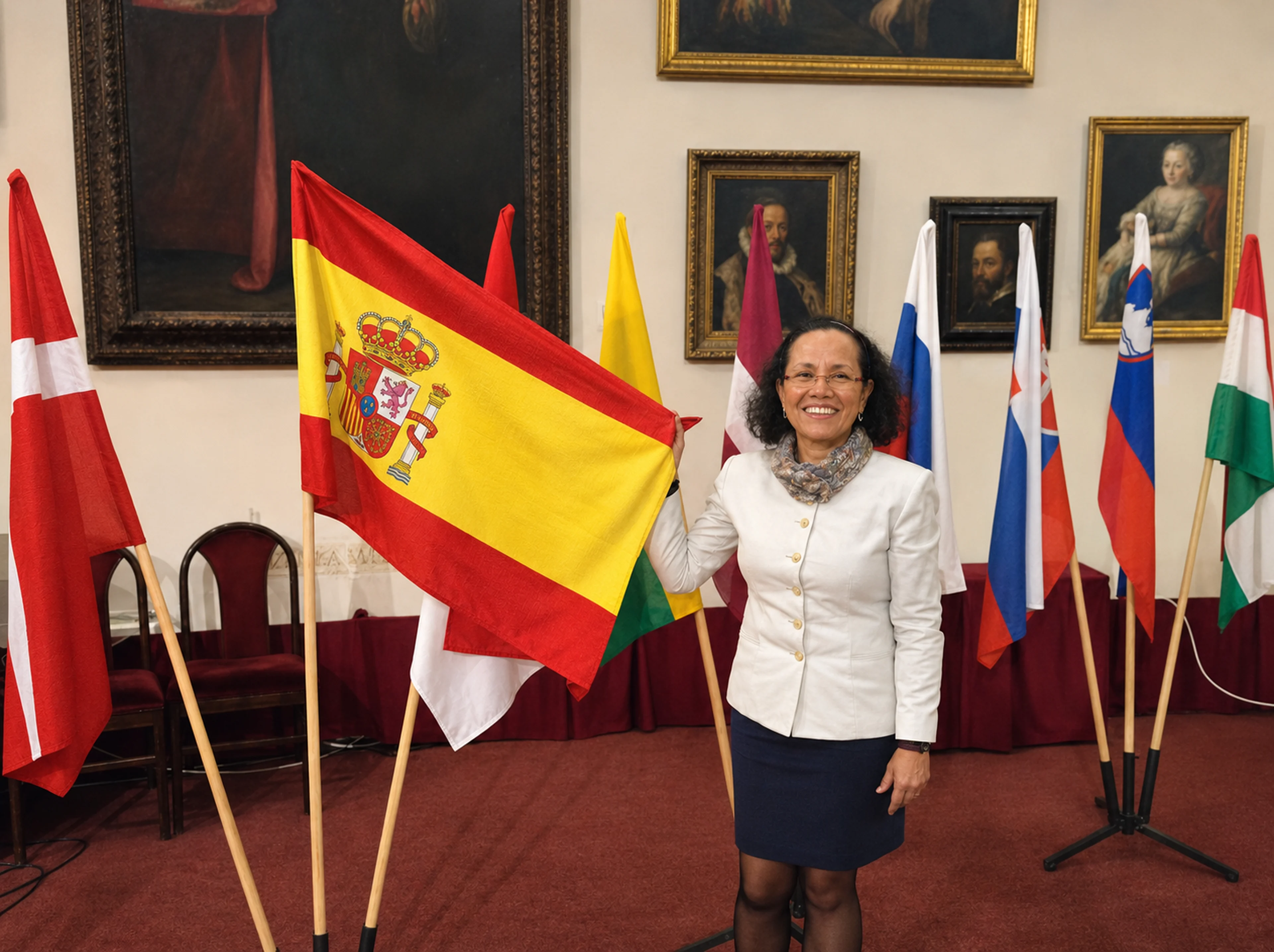
Spain is my land now, but Venezuela will always be my sky.Carmen Moreno · Warsaw, 2014

Your first lesson
Tell Carmen what you want to sing and what you find difficult. She will suggest a starting point and a schedule that suits you, online or in Barcelona.