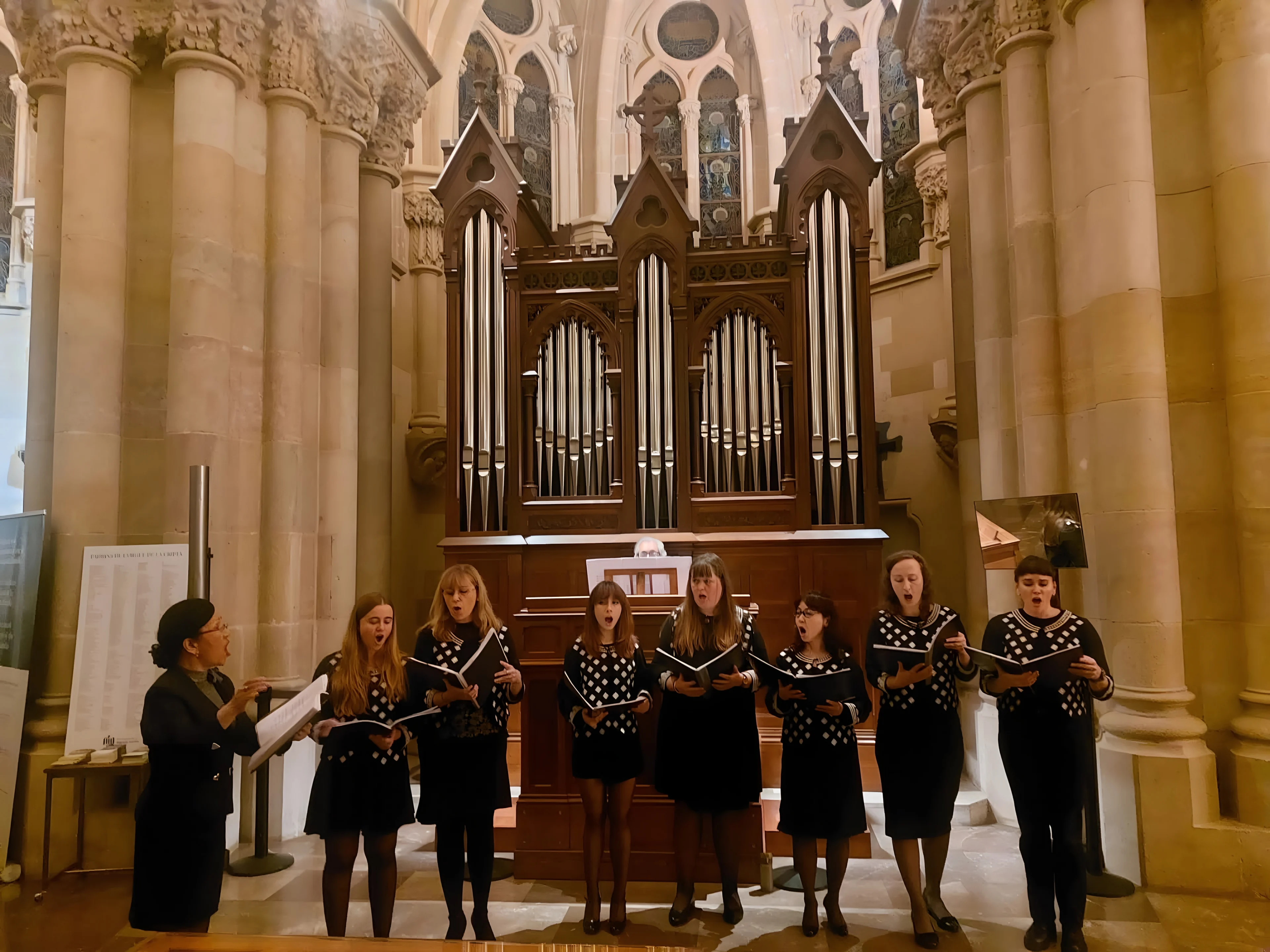
Chamber group · Barcelona
The musical Americas
Music of the New World, from the 16th to the 18th century, sung today in Barcelona: the music of the New World for this world.
A chamber group
An idea from 2013, to sing the Americas
In 2013 Carmen began forming a chamber group to perform works from the Americas: traditional pieces from every country on the continent, and Baroque works from the centre and south.
That is how Cantoría Re-Quinto was born. Carmen chose its name after an instrument found in every country of the Americas: the requinto, which also, when pronounced, leads to «al quinto re» (the fifth D), a sound every soloist prizes.
History
Music that was hidden to survive
A story in eight chapters: from the organs of the cathedrals to a wall that was pulled down in Bolivia and held 5,000 scores.
-
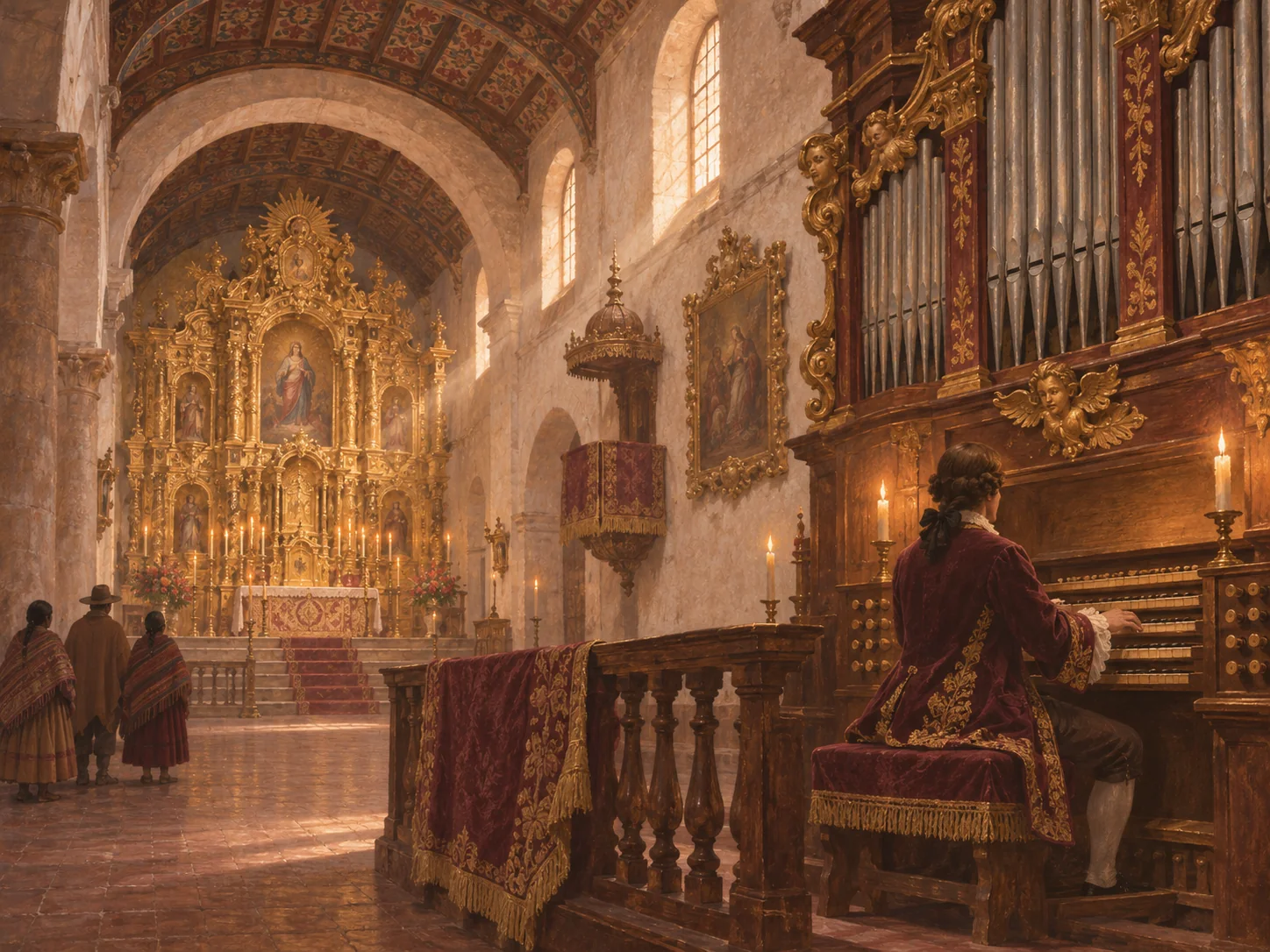
Illustration created with AI Chapter 1The organists cross the ocean
During the colonial and evangelising period, from the 16th to the 18th century, great European composers sailed to the New World: Peru, Mexico, Bolivia, Guatemala… They went as cathedral organists.
They did not come just passing through. They sat at the organ of newly built churches, in cities where the liturgy was sung every day and where peoples with their own music already lived.
-
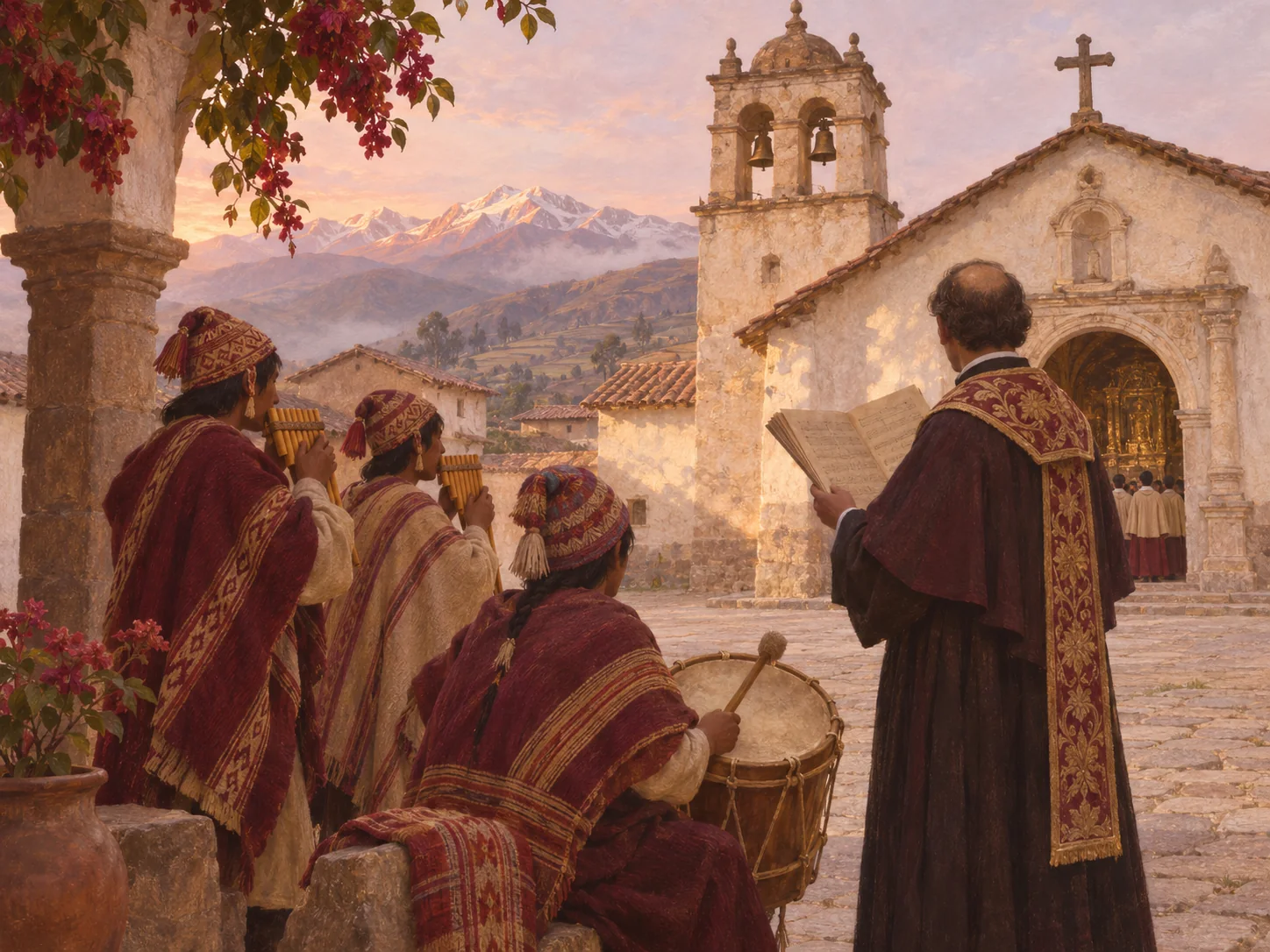
Illustration created with AI Chapter 2Two worlds that listen to each other
There was musical exchange with the Indigenous peoples. They already had their own ways of making music, and the European musicians listened to them, mixed them and brought them into the liturgy.
From that encounter came many liturgical works written in Indigenous languages: music that existed because two worlds had begun singing together.
-
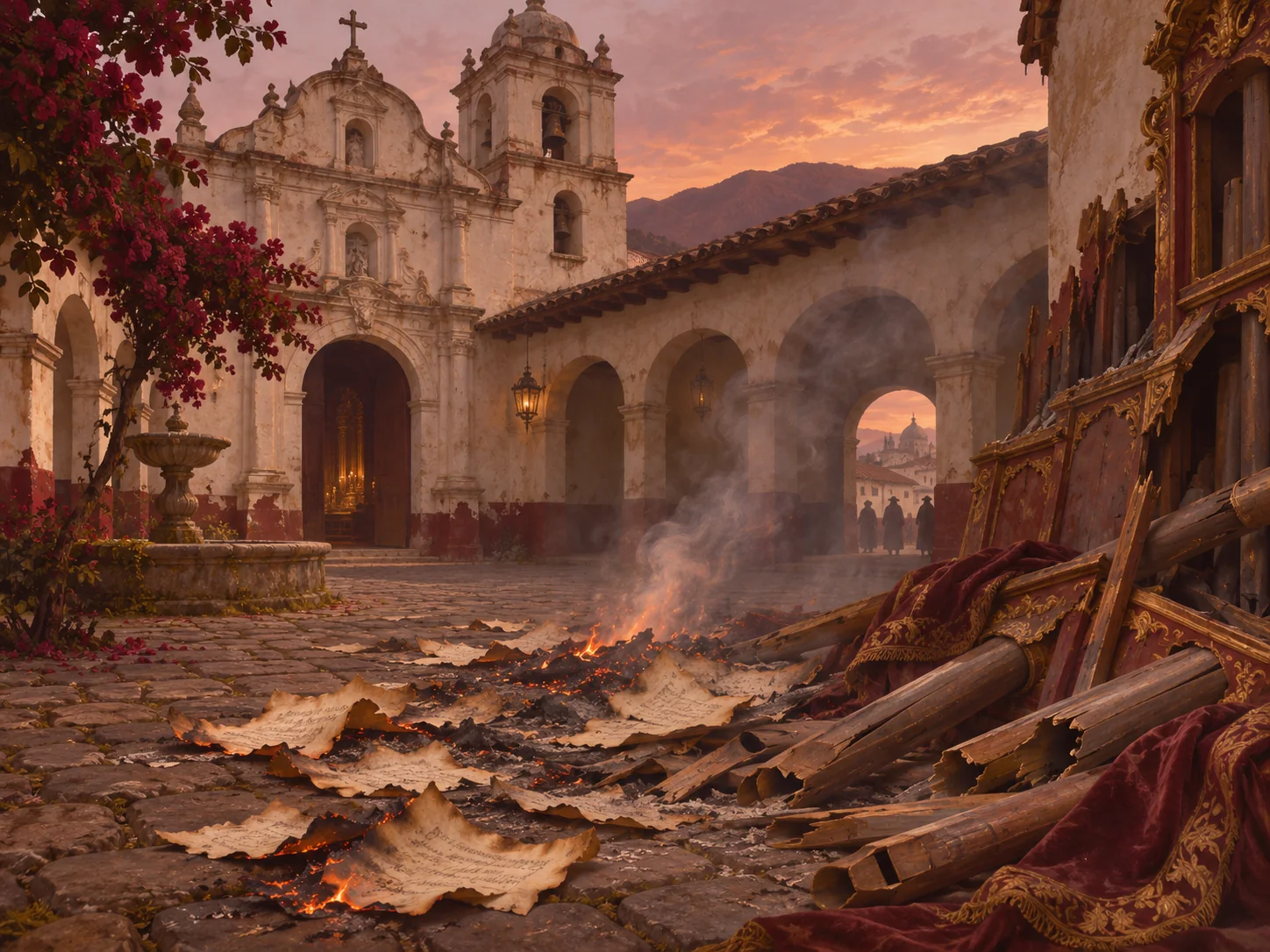
Illustration created with AI Chapter 3Spanish rule falls, and fury arrives
When Spanish rule ended, the foreign musicians returned to their countries. The works stayed behind, and so did the people who had sung them.
The Indigenous peoples, enraged by the repression they had suffered, set out to destroy and burn everything that symbolised the Spanish yoke. What burned was what stood for domination.
-
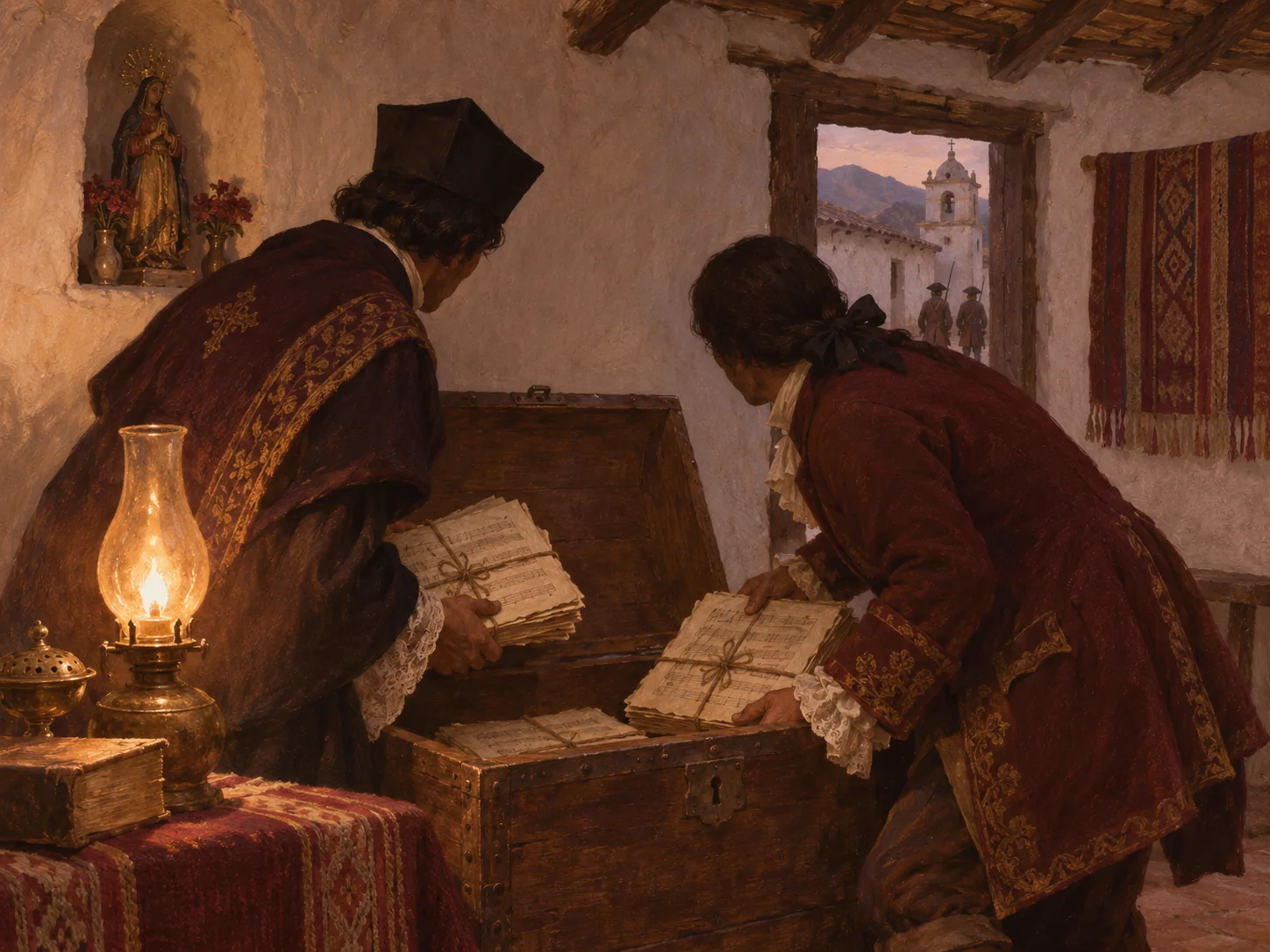
Illustration created with AI Chapter 4Hiding to save
Priests, fiscales (local officials) and educated people of the towns saw that this music was in danger. They began to hide it in different ways: in chests, behind walls, even in their own homes.
Hiding a score was an act of protection. Nobody knew how long the storm would last, but they knew that this legacy could not be lost.
-
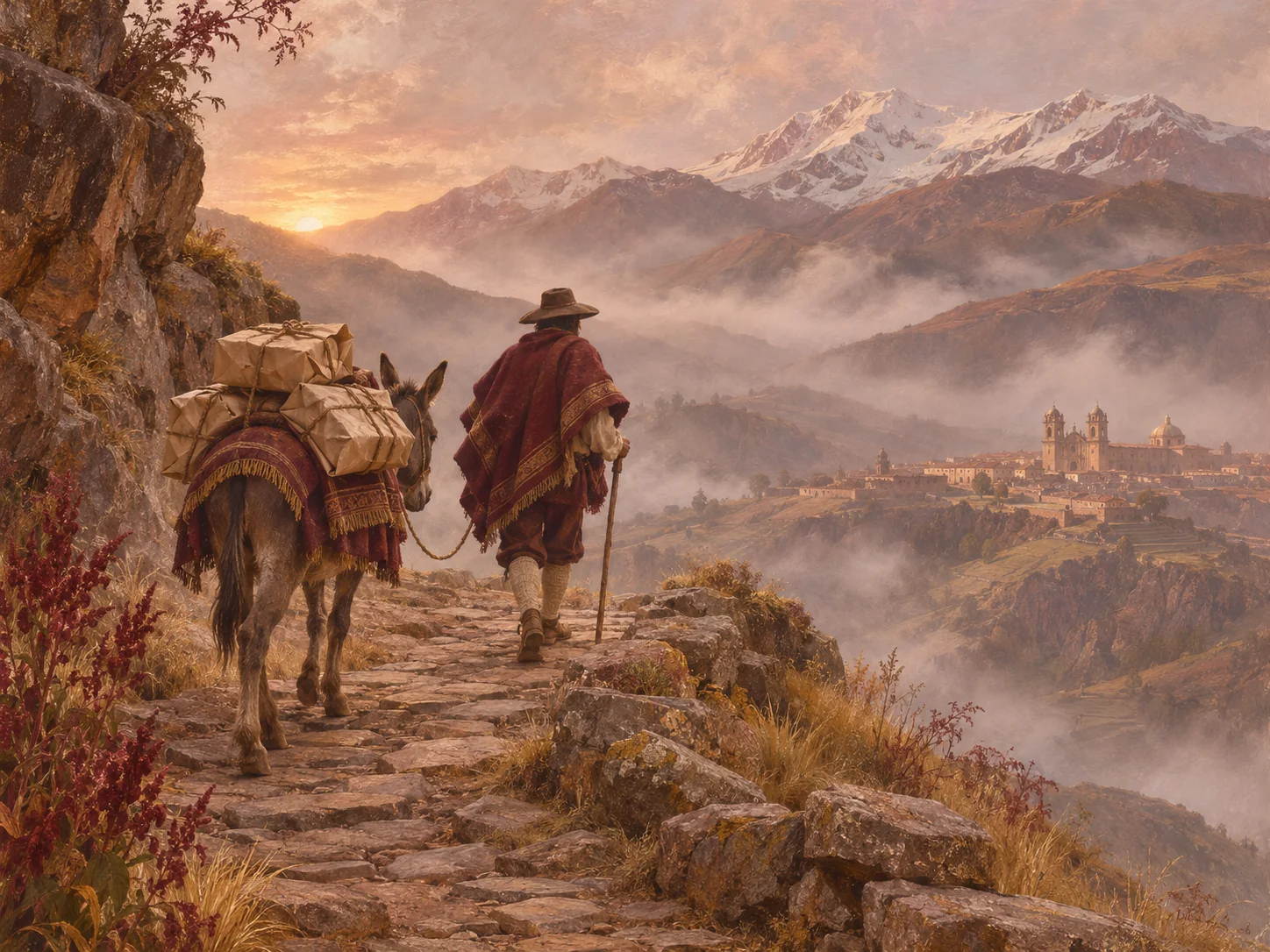
Illustration created with AI Chapter 5The distance that saved the music
The enraged crowds reached the cathedrals quickly in countries with good roads between cities, such as Venezuela, Colombia, Argentina and Brazil. That is why little or almost nothing survived there.
Bolivia, Guatemala, Ecuador and Paraguay had no easy routes. People went on horseback, then by donkey and finally on foot: a journey of about two months. That time gave fiscales and educated people the chance to protect the music.
-
Illustration created with AI Chapter 6Centuries of silence
And the music waited. For centuries, inside walls that nobody opened.
In the 1970s, church renovations began. Works that touched ancient walls, without yet knowing what they held.
-
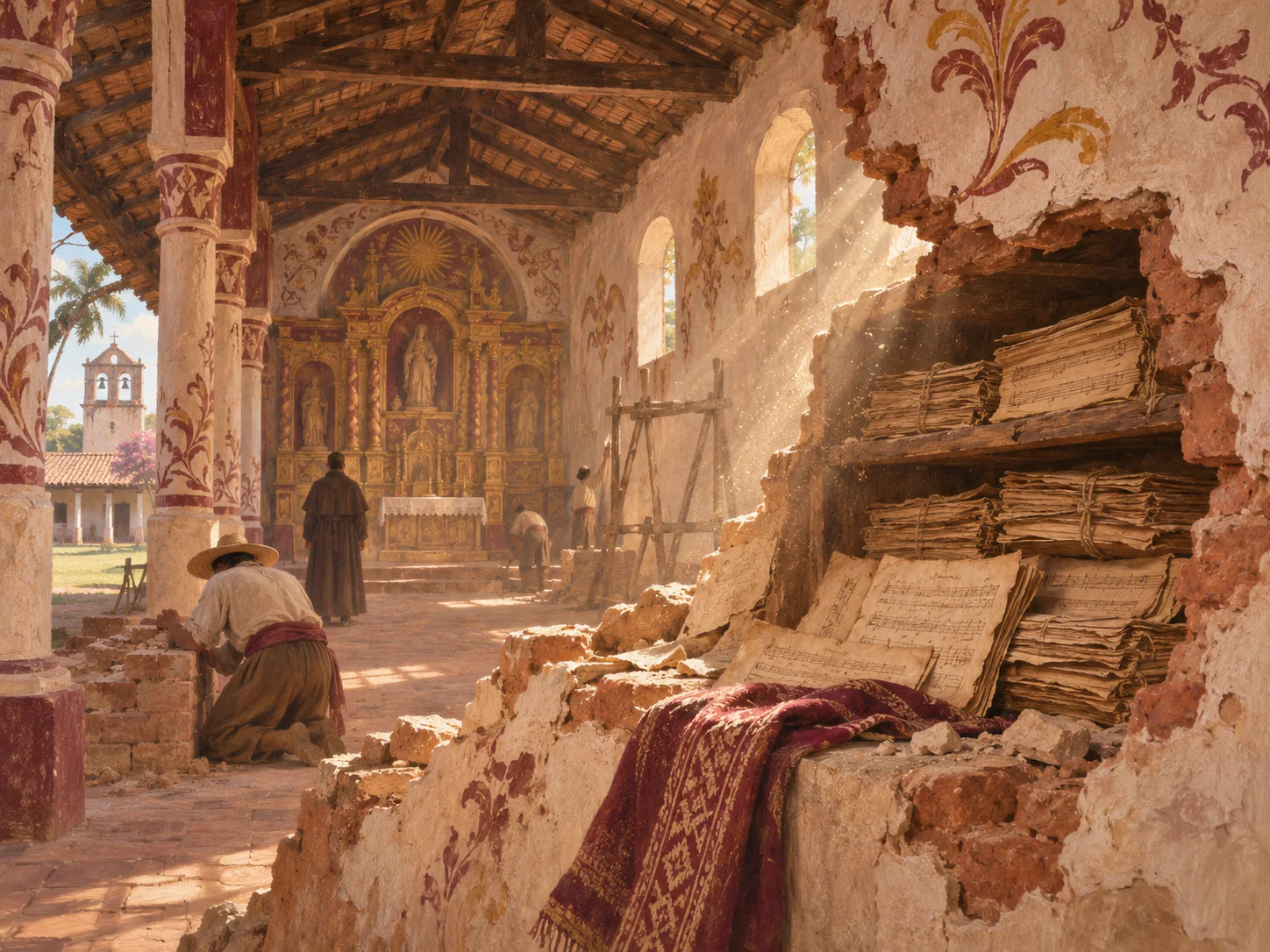
Illustration created with AI Chapter 7The wall in Chiquitos
In the province of Chiquitos, in Bolivia, architects pulled down the wall of a church that did not match the architecture of the rest of the building.
Behind it they found some 5,000 hidden scores. On top of the material was a written message explaining why they had been hidden.
-
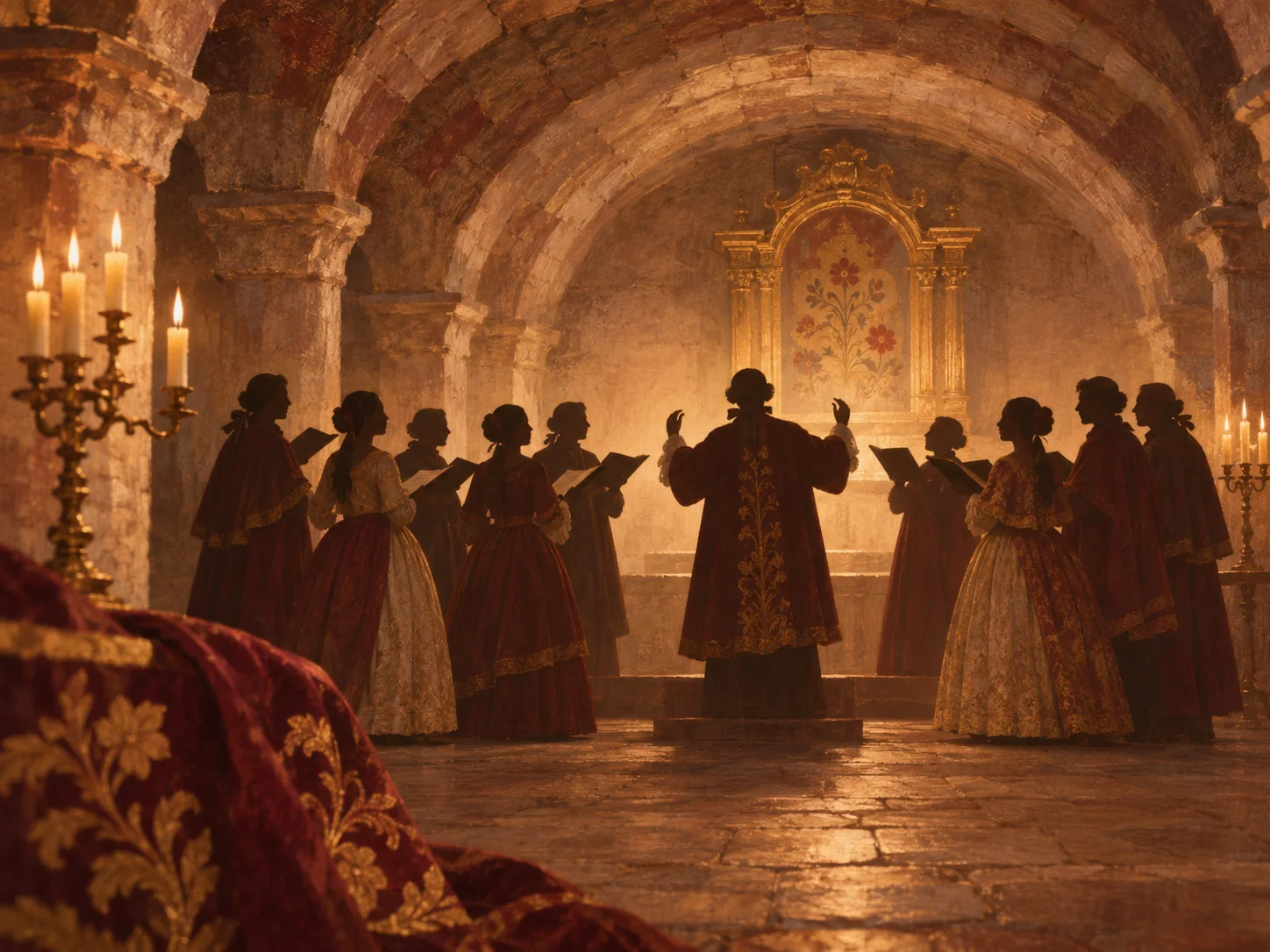
Illustration created with AI Chapter 8Today, in Barcelona
In 2013 Carmen began forming a chamber group to bring this music to the stage: Cantoría Re-Quinto. Today it sings those scores that survived hidden, in their original language and with the harmonisation of their time.
In Barcelona, it is the only choir that sings this repertoire.
This is the music I present to the world through this chamber group: the musical Americas from the mid-16th to the 18th century. The music of the New World for this world.Carmen Moreno
What it sings today
Concerts by Cantoría Re-Quinto
- 2019 · First concert of Latin American Baroque and traditional music.
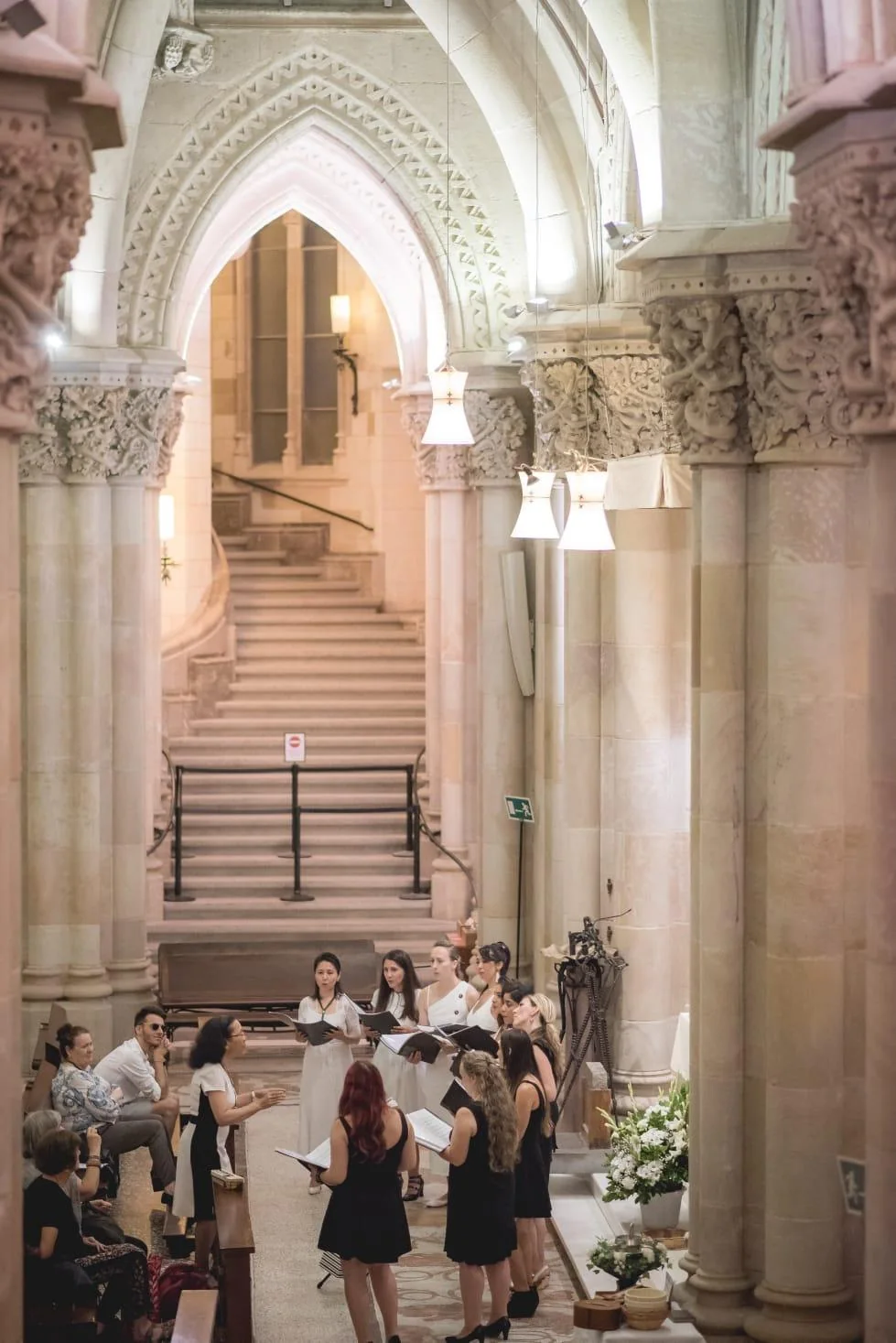
- 11 November 2023 · Basilica and Crypt of the Sagrada Família, with Hernando Franco’s Psalmus 6 (Puebla, 1611), before the consuls of Ecuador and Mexico.
- 2 May 2024 · Jardí del Silenci, outdoors, with the birds as unexpected choristers.
- 2025 and 2026 · Basilica and Crypt of the Sagrada Família, the Templo María Mitjancera de Totes les Gràcies and the Templo Cristo Rey, also in collaboration with the Asociación Cor Cremat.
Your first lesson
Is your voice made for singing? I’ll show you how.
Tell me your goal, project or intention with singing; we agree a line of vocal work and choose a convenient schedule, online or in person, here in Barcelona.